




































Introducing a new puppy to your current dog is often an exciting process, and many dogs will become fast friends and eas...
Read MoreAdopt Me
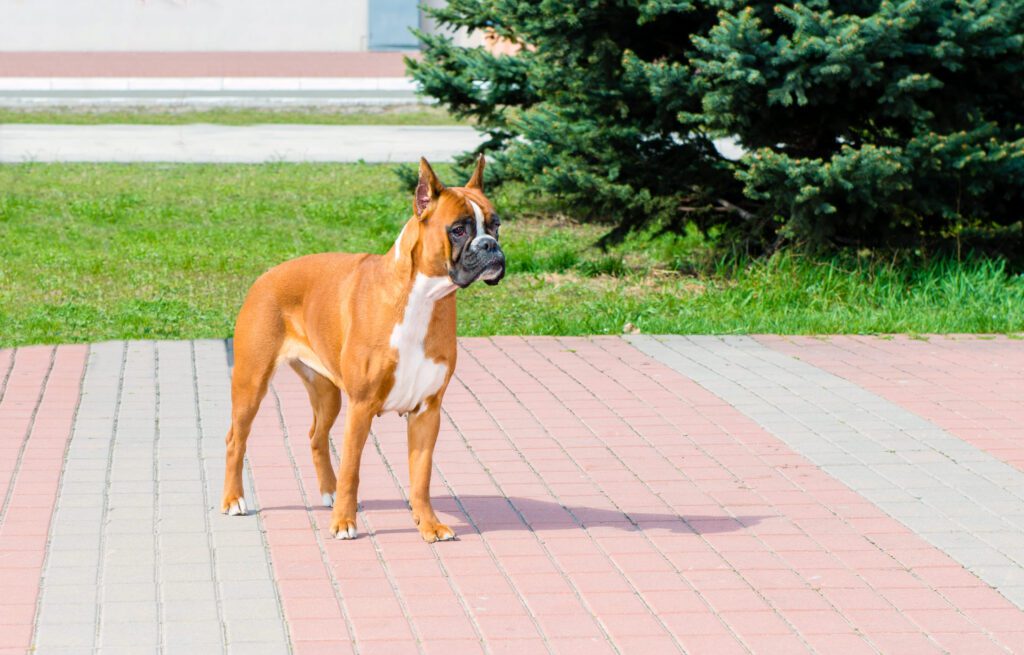
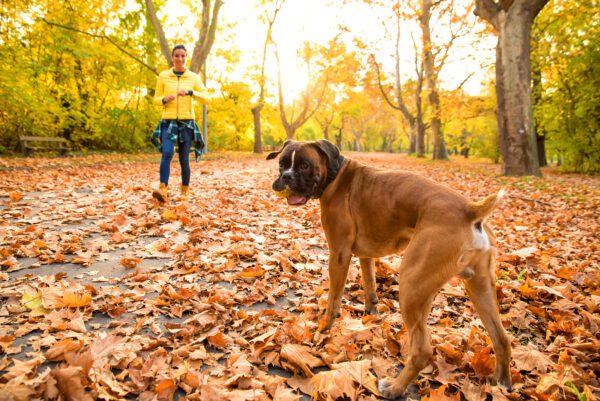
Boxers are bright, affectionate, and athletic companions who thrive on human interaction. They love play, they learn quickly, and they show steady loyalty to their families. A well-bred heart and a goofy sense of humor give this breed a special charm that wins over first-time and experienced dog owners alike.
Before you adopt a Boxer in North Carolina, take time to learn about energy needs, health, and daily care. Research helps you match your lifestyle with the right individual dog. Adoption gives a deserving Boxer a second chance while also supporting responsible animal welfare. Many adoptable Boxers already have essential veterinary care completed, which makes adoption a practical and compassionate choice.
North Carolina’s climate brings hot, humid summers and mild winters. Boxers are sensitive to heat because of their short muzzles, so they need indoor living, shade, and cool water during warm months. The state’s coastal plains, Piedmont neighborhoods, and mountain towns all suit Boxers when owners manage exercise in cooler parts of the day. Active households, hikers planning morning outings, and families with secure yards often find that a Boxer fits well in North Carolina’s varied lifestyles.
You can skip searching shelters and rescues one by one by browsing adoptable dogs through Dog Academy. The listings gather dogs from local animal shelters, regional rescues, and breed-specific rescue groups in one place. Dog Academy also provides educational guides and adoption checklists so you can prepare your home, plan your budget, and understand what to expect during the first weeks with your new Boxer. You can also read more resources at Dog Academy.
Start by browsing available Boxers and reading each profile in full. Profiles usually include age, size, temperament notes, medical updates, and any training history. Focus on energy level, social preferences, and any limitations like needing to be the only pet. Matching these details to your lifestyle helps you set realistic expectations and supports a smooth transition.
Next, submit an application with accurate information. Most organizations request personal references, veterinary history for current pets, and landlord approval when you rent. Many arrange a quick phone interview to confirm your plans for exercise, training, and daily care. After that, you will schedule a meet-and-greet to introduce the Boxer to all household members. If you have a resident dog, expect a controlled introduction. Some groups also complete a home check, which can be virtual or in person, to confirm that your space is safe and that fencing or containment is secure.
Approval timelines vary by organization and by the dog’s needs. A straightforward shelter adoption can finalize in 3 to 10 days once your application is approved. Rescue placements often take 1 to 3 weeks because volunteers coordinate interviews, introductions, and home checks. If the Boxer is located far from you, ask about transport. Transport is often arranged by rescues to move dogs between locations using volunteer drivers or professional carriers, and adopters usually meet at a central pickup point after the dog receives health clearance for travel.
|
How Much Does It Cost to Adopt a Boxer in North Carolina?Most adopters in North Carolina pay about $250 to $450 for an adult Boxer and about $350 to $650 for a puppy. Senior Boxers commonly range from $150 to $300. Fees reflect care already provided, which often includes spaying or neutering, vaccinations, microchipping, and veterinary exams. Costs can vary with age, training level, medical history, and local demand. A fully vetted dog with recent dental work or heartworm treatment may have a higher fee to offset care, while a senior dog may have a reduced fee to encourage adoption. Location also affects pricing. Metro areas with high demand tend to sit at the top of the range, while rural groups may be toward the middle. When you compare listings, read exactly what is included so you can budget for supplies, food, and training after adoption. |
How Should I Train a Boxer?Boxers are intelligent, people focused, and eager to learn. They respond best to positive reinforcement, clear structure, and short, upbeat sessions. Use food rewards, toys, and praise to reinforce calm behavior, recall, and leash manners. Consistency matters because Boxers love to test boundaries in playful ways. Common challenges include exuberant jumping, pulling on leash, and distraction around new people and dogs. Start impulse control early with sit and wait at doors, reward four paws on the floor, and practice loose-leash walking in low-distraction areas before heading to busy streets. Socialize thoughtfully by pairing friendly greetings with calm rewards. Crate training, daily mental enrichment, and regular exercise help prevent boredom and chewing. For step-by-step lessons you can follow at home, explore Dog Academy’s online training courses. Courses cover foundation obedience, leash skills, crate training, and solutions for common behavior hurdles. Lessons are simple to follow and designed to build a confident, well-mannered Boxer. |

|
The ideal Boxer owner enjoys daily activity, indoor companionship, and consistent training. A secure yard or a reliable exercise plan sets this breed up for success, and a calm routine helps young Boxers settle as they mature.
Prepare your home, gather supplies, and give yourself time to meet a few dogs before you decide. When you adopt a Boxer in North Carolina with careful research and patient training, you set the stage for a happy partnership that lasts for years. Use Dog Academy to find your match and start your adoption journey with confidence.

Introducing a new puppy to your current dog is often an exciting process, and many dogs will become fast friends and eas...
Read More
Rescue dogs can make great companions and can transform your home into something better. These dogs make great pets and ...
Read More
You should never rush to pet a dog. Even dog owners make the mistake of approaching unfamiliar dogs and petting them rig...
Read More
Puppy mill dogs are survivors who have endured extreme hardships in their lives. They have grown up in horrendous, unsan...
Read More
With their wagging tails and comforting presence, adopting a dog can add a unique touch to your life. It’s a heart...
Read More
Older dogs may have a few gray hairs around the edges, but that doesn’t mean they can’t make wonderful companions! T...
Read More